
The iPhone features a stylish design and brilliant display which enables users to modify screen colors according to personal choice and requirements. The feature of screen color change on your iPhone brings powerful customization that enables both better visibility and reduced eye strain and fresh visual appearances phone screen. The following article provides all necessary information about changing your iPhone screen colors by demonstrating the modification process and describing potential benefits when accompanied by instructions to resolve unexpected color changes. The following guide introduces iPhone display color modification processes that help you maximize your device screen visualization.
Why Change Your iPhone Screen Colors?

The standard iPhone screen provides optimal brightness combined with high contrast but not everyone requires this optimal setting. The following list includes several possible motivations to modify your iPhone screen hues. The modification of screen colors exists to make interfaces readable by users who possess limitations in seeing particular colors or have light sensitivity issues tap color filters
. People with different needs choose screen color modifications either for comfort through blue light reduction while using their iPhone prior to bedtime or for accessibility accommodations light mode. Screen color tinting serves as an attractive modification for individuals who seek personalized appearance. Apple offers multiple tools through the Settings app that help users achieve their desired outcomes regardless of their reason brightness slider.
Software bugs together with hardware malfunctions might lead to unexplained alterations in color appearance on your screen. Handling unexpected issues with the display alongside the intentional modifications requires equal significance for effective management. This guideline includes information about both preventive adjustments alongside recovery steps to address screen issues if problems occur.
How to Customize Your iPhone Screen Colors

Through the collection of accessibility and display features in iOS Apple gives users multiple ways to modify their iPhone display colors dark mode. The following guide explains the most common iPhone screen customization procedures step by step.
Using Color Filters for Accessibility
Users can adjust their iPhone screen color by using the Color Filters feature which Apple designed for accessibility needs but offers availability to all iPhone users. The filter functionality provides full display coverage for applying a tint over your iPhone screen android devices.
To access it:
- Open the Settings app.
- You should reach Accessibility from the Settings menu then proceed to Display & Text Size followed by Color Filters.
- Toggle Color Filters on.
- Among the available options in the Color Filters you can select Grayscale for black and white presentation or Red/Green Filter for color blindness or Color Tint to customize a screen hue.
Users who opt to use Color Tint will find Hue and Intensity sliders for adjustment purposes. Through the Hue slider you can achieve either full strength red coloring for intense contrast or delicate color matching to fit your current preferences go to settings. A red screen filter remains a popular way to lower night-time blue light exposure since red light has less impact on sleep quality compared to white.
Inverting Colors for a Bold Shift

The iPhone color scheme can become dramatically different when you choose to fully invert all display elements. The display color scheme transforms through this feature by turning white into black while making blue display as orange and more such switches between dark and light tones for better visual contrast in low-light conditions or visual impairment requirements photos app.
Here’s how:
- Under the Accessibility section within Settings choose Display & Text Size to access the configuration.
- Scroll to Invert Colors.
- Users have the option to select Smart Invert when keeping image colors intact or they can use Classic Invert to reverse all display content including photos and videos.
Smart Invert enables readable content without image distortion despite media content retention but Classic Invert provides a complete negative effect on all display content. The side button activation provides an easy way to turn on and off Invert Colors. To use this feature set your Accessibility Shortcut through Settings > Accessibility > Accessibility Shortcut then choose Invert Colors.
Tinting Apps and Icons in iOS 18
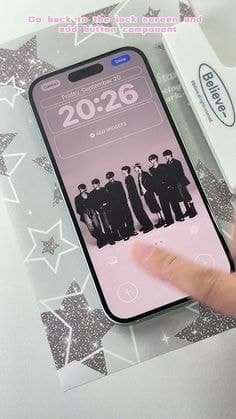
Apple added additional customization features for Home Screen modification when it released iOS 18 during 2024. The tool in iOS 18 lets you change app icons and widgets to match wallpaper colors or personal preferences and control the iPhone’s color atmosphere.
To try it:
- Long-press your Home Screen until the icons jiggle.
- Tap Edit > Customize.
- Open the Tinted option and modify the color tone through the sliders available. The eyedropper tool available in the app lets you select a color from your wallpaper.
This wallpaper enhancement feature does not modify your screen display yet provides you with a unified color overlay as background for your applications to achieve a customized iPhone appearance.
Adjusting with Night Shift and True Tone
The fonts come with Night Shift and True Tone allow your screen to adjust its temperature rather than applying an entire tint to it. The display of Night Shift becomes warm-toned while True Tone adjusts color shades according to lighting conditions.
- Users can find Night Shift through Settings > Display & Brightness > Night Shift. Access Night Shift services through manual adjustment of screen warmth.
- Screen users can find True Tone by navigating to Settings > Display & Brightness where they can activate or deactivate this feature. The latest iPhone models starting from device 8 include this feature.
The two functions work discreetly to create comfort through different lighting environments.
Creative Uses for Screen Color Changes
Creative Uses for Screen Color Changes
You can use different iPhone screen tint options to create an expressive style in addition to convenience and accessibility benefits. A red-colored display creates a futuristic atmosphere yet grayscale display produces an old-fashioned mysterious noir appearance. Users can link their iPhone’s screen tint to match their wallpaper appearance and the color of their outfit to achieve a harmonious display. Through the new iOS 18 feature you can match your Home Screen and Lock Screen icons with a single color using tinted options.
Users benefit from practical advantages by adjusting their iPhone settings. People who work with photographs use grayscale to eliminate colorful elements affecting composition and those who stay up late prefer warm-toned screens as their nighttime relaxation method. No restriction exists for your limitless imagination to explore.
Troubleshooting Unexpected Color Changes
Changes in display screen color often occur to your iPhone without any action from you where the screen becomes black and white or shines with intense brightness and exhibits strange colors. The following steps outline a solution for resolving such issues.
Check Accessibility Settings
The majority of screen accessibility features get activated accidentally by the user. You need to inspect the screen if it displays only grayscale or inverted or tinted variations.
- You need to enter Settings and click Accessibility followed by Display & Text Size.
- Keep the Color Filters and Smart Invert and Classic Invert features disabled except for cases where you need the function active.
Restart or Update Your iPhone
A possible problem with the software seems to be the cause of the malfunction. Use the power button to start your iPhone shutdown process and then follow through until shutdown completes before powering it on again. You can check for an iOS update under the general tab of settings at General -> Software Update. Failing that method you should restart your iPhone. Updates often fix display bugs.
Reset Display Settings
Perform a display reset by following these steps though you will preserve your device information.
- Enter Settings and navigate to General where you will find Transfer or Reset iPhone followed by selecting Reset.
- Tap Reset All Settings. Enter your passcode and confirm.
The display settings will return to their factory defaults which may solve any misbehavior affecting color displays.
Hardware Concerns
Uneven colors displayed as a red patch on black backgrounds along with screen flicker after a drop may indicate hardware damage. OLED displays installed in iPhone X and its successors are prone to burn-in or physical damage. Users should reach out to Apple Support to receive a diagnostic when software solutions prove ineffective.
Benefits and Drawbacks of Color Adjustments

Newbies to iPhone screen color adjustment will discover mixed advantages and unfavorable consequences. The screen becomes easier to view and the eyes feel less strained while slight battery optimization occurs since grayscale displays less color pixels. In 2024 scientists established that nighttime displays with warmer hues might provide better sleep regulation than screens heavy with blue colors but individual reactions differ.
However, there are downsides. Images and videos will undergo distortions when using the Color Filter mode because of the tinting feature. Therefore it is not suitable for media-intensive use. Switching to inverted color schemes could pose confusion to users who normally see their interface in its standard form and excessive color changes might harm your eyesight. The important key is to achieve balance through careful testing of different settings to determine what suits your needs best.
Advanced Tips and Shortcuts
Those who need advanced capabilities can refer to iPhone features to simplify their color switching operations:
- Accessibility Shortcut: Assign Color Filters or Invert Colors to a triple-click of the side button for quick toggling.
- Users can speed up control of Night Shift and True Tone functions by adding them to Control Center through the Settings menu.
- The Shortcuts application enables users to build specific automations that change display settings according to time or position.
The provided features enable effortless profile switching between light conditions in both day and night cycles.
The Future of iPhone Display Customization
In March 29, 2025 Apple expanded its display choices for customers. Electronic reports indicate upcoming iPhone 17 versions will release solutions that increase color adjustment precision and feature top-level OLED technology elements for superior hue display. The annual evolution of iOS might result in user habit-based AI management of color adjustments that become more deeply integrated. iOS 18 tools along with the preceding versions already provide sufficient customization options for users.
Conclusion
Screen color modification on the iPhone becomes an essential tool that grants customizable comfort while making devices more accessible to users. The built-in features from Apple allow users to access functions that let them customize their display colors for blue light filtering and contrast enhancement and maintenance of display integrity. Test out different options in your device settings until you achieve the preferred look while you can make an immediate reset for assistance in case problems arise. You can personalize your iPhone screen by any method you desire.