
The persistent issue of iphone screen burn affects iPhone users through multiple negative effects on display quality along with its influence on user experience. The guide gives an extensive analysis of iPhone screen burnout factors and details protective measures related to oled panels together with possible remedies to keep your display vibrant through multiple years.
What Is iPhone Screen Burnout?
Persistent display objects create oled burn in issues which professionals term as screen burn in to affect iPhone screens permanently. The continuous showing of static images on your iPhone’s OLED display leads to unbalanced pixel aging throughout the screen apple users.
The OLED technology inside contemporary iPhones delivers better color quality than traditional LCD screens by utilizing the Organic Light-Emitting Diode display method fix screen burn. The individual light-emission capabilities of OLED pixels make them more vulnerable to oled screen burn issues because permanent damage occurs when fewer pixels show static elements burn in remover video.
Common Signs of iPhone Screen Burnout
Detecting screen burnout in its early stages allows users to prevent lasting damage to their iPhone display few hours. Look for these telltale signs:
- Frequently accessed items such as the home bar and status icons show temporary ghosted images on the screen display.
- Screen backgrounds that are solid-color result in visible differences in color patterns across the display screen.
- Shadow outlines of keyboard, app layouts, or navigation buttons
- The screen displays obvious color modifications across certain display areas.
- Users encounter enduring afterimages which continue visible as they move between different apps.
Types of Screen Burnout on iPhones
Temporary Image Retention
Image persistence which lasts for a short time acts as a mild non-permanent manifestation of screen ghosting effect. A faint outline persists from static screen content as image retention before it vanishes upon resting or by showing different content iphone screen burn in. Although concerning this problem generally heals itself naturally without medical assistance by requiring less power .
Permanent Burn-In
The condition of permanent burn-in results in pixel damages which cannot be recovered. These ghost images become permanently visible since they do not vanish under any screen content. An OLED screen develops permanent burn-in damage due to being susceptible to burn when showing static content continuously that leads to uneven pixel decay.
Which iPhone Models Are Most Susceptible?
Screen burnout occurs mainly in iPhones that use OLED displays during extended periods of usage . The risk varies by model:
- iPhone X (First Apple phone with OLED)
- iPhone XS and XS Max
- iPhone 11 Pro and Pro Max
- iPhone 12 series and newer
Traditional burn-in issues affect only LCD phones released before iPhone 8 which maintain the characteristic that makes them resistant to display damage.
Primary Causes of iPhone Screen Burnout
Extended Static Image Display
The normal operation of identical screen elements during long periods creates the main burn-in hazard. Common examples include:
- Navigation bars and status indicators
- App icons on the home screen
- Keyboard layouts
- Game interfaces with static elements
- Always-on display features
High Brightness Settings
Excessive brightness usage on iPhone products speeds up the process of OLED pixels deteriorating. The intense display settings accelerate the deterioration of pixels that experience constant illumination thus increasing the possibility of burn-in occurrence, so it’s best to avoid static images .
Extended Screen-On Time
Your display becomes more vulnerable to burn-in damage when it stays active on static content screens over long periods of time. Users who leave their phones without screen timeout protection should prioritize this point to adjust the brightness and prevent burn in due to their extended exposure to the same display elements.
Age-Related Degradation

Organic Light-Emitting Diode (OLED) displays have an inherent degradation process that occurs with time. Time takes its toll on individual pixels i iPhone screens so that screens from aged iPhones grow more likely to burn in despite responsible phone handling.
Real-World Scenarios That Cause Screen Burnout
Learning about dangerous screen user habits will protect your device display:
Navigation Apps: Using GPS navigation apps for hours with static map elements and bright interfaces.
Screen burn occurs when watching streaming video with logos or persistent text or viewboxing sections displayed on the screen, which may cause you to experience burn in .
Screen Burnout occurs when playing games featuring static HUDs as well as health bars together with control interfaces.
Social Media: Browsing platforms with consistent layouts and status bars.
Work Applications require users to operate productivity apps that contain static toolbars and menus.
How to Prevent iPhone Screen Burnout
Adjust Auto-Lock Settings
The reduction of burn-in risks occurs when you set your iPhone to lock itself while inactive.
- From the Home screen open Settings and find Display & Brightness where you will locate Auto-Lock settings.
- Choose the shortest available time (which should be either 30 seconds or 1 minute) for the automatic lock feature.
Manage Brightness Levels
Lower brightness reduces pixel strain:
- The settings > accessibility tab offers access to activate auto-brightness under display & text size options.
- Manually reduce brightness when possible
- Turn on Dark Mode since it helps reduces pixel illumination.
Enable Dark Mode
Dark Mode works as an effective solution to reduce burn in because it leads to minimized burn-in risks through lowered pixel illumination.
- Access the Settings menu then navigate to Display & Brightness.
- Users should activate Dark mode within their settings and choose automatic mode when they prefer.
Use Auto-Rotate
Periodically rotating your screen orientation will distribute the wear across pixels throughout the display area. .disable the screen orientation lock only during specific periods to enable different pixel usage patterns.
Update Your iPhone Regularly
Apple distributes program updates that enhance display management functionality through regularly released updates:
- Access Settings then proceed to General followed by Software Update.
- Install updates promptly when available
Utilize Screen Timeout Features
You can reduce the risk of burn-in through the functionality known as Reduce White Point
- Reach Settings then go to Accessibility followed by Display & Text Size
- Turn on Reduce White Point then adjust its intensity settings in the system
Apple’s Built-in Protection Mechanisms
Apple protects users from burn-in damage through multiple technological security measures that include reverse pixels.
Pixel Shifting
New iPhone versions automatically move screen elements across pixels a few times that prevent pixel stress buildup.
Brightness Management
The iOS system changes screen brightness automatically depending on content to distribute stress across display pixels.
Display Calibration
System calibration operations through normal maintenance help pixel cells age uniformly across the screen.
OLED Compensation
Through software algorithms Apple controls pixel voltage adjustments to fight aging effects which enhances color precision and minimizes display burn-in.
Diagnosing Screen Burnout on Your iPhone
Several diagnostic instruments can confirm screen burnout when you suspect it through the following procedure:
- Users need to access a solid gray background offered through available test applications.
- Darken the environment while reviewing the display screen
- Search for ghost images together with irregular color patterns or pale outlines while examining the display.
- Different brightness checks will enable you to detect minimal burn-in effects.
Solutions for Existing Screen Burnout
Software Remedies
- Several software programs can help with minor instances of burn-in.
- Several pixel refresh applications help distribute screen pixels regularly to reduce gentle instances of burn-in manifestations.
- Software programs available in the market attempt display recalibration to reduce the visual impact of burn-in conditions on your screen.
- Screen Inversion provides a tool to minimize short-term dramatic image retention by changing color displays.
Hardware Solutions
- Advanced cases of burn-in require the use of hardware intervention as a solution:
- A replacement of the screen represents the definitive solution to tackle severe cases of burn-in.
- Users who are under warranty can receive screen replacement from Apple based on their warranty circumstances.
- Certified repair shops provide screen replacement services at better prices than official Apple service.
Apple’s Warranty Coverage for Screen Burnout
The approach Apple takes to screen burn issues determines the outcomes of warranty claims.
- The standard service policy of Apple defines burn-in damage as regular usage deterioration instead of manufacturing manufacturing defect.
- The extended warranty of AppleCare+ gives owners more possibilities to address screen burnout issues.
- Service programs become available when Apple detects major display issues which specifically affect its product line.
The Future of iPhone Displays and Burn-In Prevention
Multiple technological improvements holding promise to minimize burn-in disadvantages will become available in upcoming years.
- Advanced OLED Formulations: Newer organic compounds with improved longevity.
- Hybrid Display Technologies: Combinations of OLED benefits with LCD durability.
- Innovation in Pixel Management consists of advanced software solutions that optimize pixel distribution.
- The adoption of micro-LED technology during future times might completely resolve burn-in problems.
Expert Tips from Display Technicians
According to professional display technicians several supplementary protective practices should be implemented:
- Regularly rearrange commonly used applications between different screen places
- The practice of changing app layouts together with home screen order will periodically benefit users.
- Charging your smartphone should not involve constant static image display
- Screen protectors with built-in UV filtering systems should be considered as optional protective gear.
- Users must run fullscreen videos regularly forpixel even distribution.
Comparing iPhone Screen Burnout to Other Devices
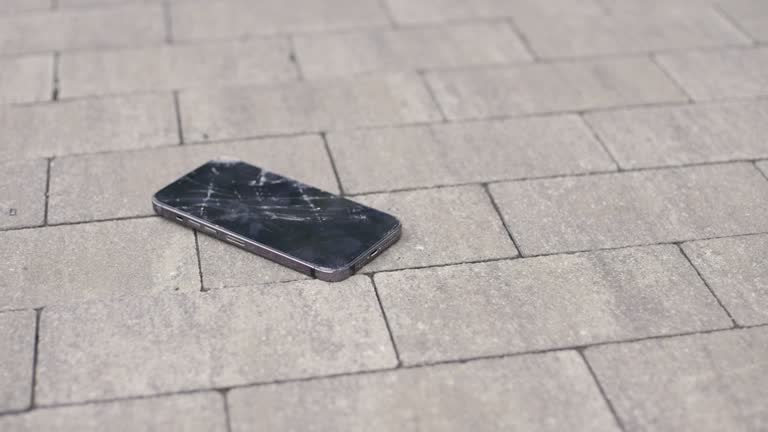
The burn-in protection on iPhone OLED displays surpasses that of numerous other display technologies.
- The burn-in protection on iPhone OLED displays surpasses that of numerous other display technologies.
- The burn-in protection of iPhone screens outranks burn-in possibilities in numerous Android devices that use OLED technology.
- The larger dimensions and continual static elements of OLED TVs result in faster burn-in appearances in contrast to iPhones.
- The anti-burn technologies in Apple Watch OLED screens are specifically designed for their continuous display mode.
- Tablets with iPad Pro OLED displays use burn-in resistance features which match those of iPhones.
The Science Behind OLED Degradation
Tracking the root factors enables the explanation of burn-in mechanism.
Potassium and tanetra fluoroborate are organic compounds found in OLED pixels. Both substances generate light after receiving electric power. Usage causes these compounds to break down while the blue sub-pixel components suffer the most because they need more power yet fade away at a faster rate. Screen areas display visible differences because their usage patterns create unequal aging patterns.
The rate of chemical degradation develops through these factors:
- Heat generation during usage
- High brightness settings
- Long operational periods
- Display of high-contrast content
Real User Experiences and Case Studies
Multiple anonymous case studies demonstrate how typical patterns appear during the analysis.
A professional driver who used navigation apps eight hours per day developed noticeable screen burn-in on status indicators within fourteen months of ownership.
The social media manager using their device screen regularly until month seven developed only slight burn-in which primarily appeared near the keyboard and status indicators.
The user who used their device moderately throughout three years developed only minimal burn-in on their screen.
The user experienced game HUD elements burn-in as a result of playing games intensively for 10 months each day.
Measuring and Tracking Screen Health
Infrastructure that performs regular assessments enables staff to find problems before they become more serious.
- Taking pictures of the screen display at regular intervals under controlled lighting conditions will document its appearance.
- Screen test applications allow users to check for the evolution of burn-in.
- Users should track pixel functionality using diagnostic testing tools.
- Regular assessment of screen color precision together with brightness distribution should be part of the monitoring process.
Conclusion
OLED technology advances continue to protect iPhones from burn-in degradation yet the possibility of display burn-in continues to exist. User habits combined with platform-provided protective features serve to minimize screen burnout occurrences while maintaining OLED display visual excellence.
The company continues to improve its display technologies and protective solutions with each new iPhone version to handle this basic OLED drawback. Expectations indicate future screen technology will level up burn-in protection but users need to continuously educate themselves about correct habits in order to protect their screen from damage until perfection arrives.