
When the iPhone 15 Pro launched in September 2023 people were drawn to its latest features combined with its titanium body and remarkable A17 Pro chip. Apple continues its tradition of including ProMotion technology in displays with the iPhone 15 Pro because this feature offers smooth adaptive refresh rates at 120Hz, alongside options available in ios accessibility settings . The refresh rate arrangement of the iPhone 15 Pro has generated mixed reactions from technology fanatics because users exhibit divergent perspectives about its motion smoothness and steadiness. This research investigates the iPhone 15 Pro refresh rate basics and operation along with its user consequences while examining its standing in comparison against past iPhone generations and modern market competitors.
Understanding Refresh Rate and ProMotion Technology
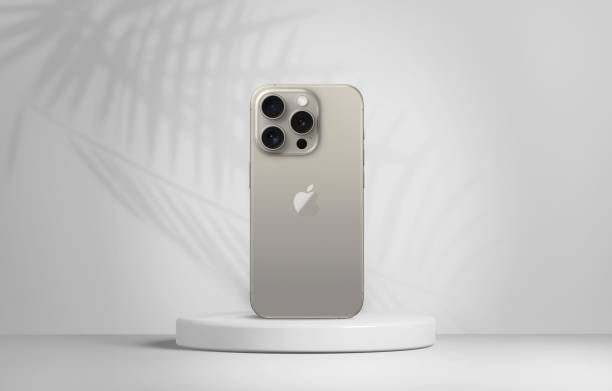
A display updates its image through a refresh rate which expresses the number of times it operates per second when measured in Hertz (Hz), taking into account the chipset draw . A screen refreshes its image at a 120Hz rate each second, which provides better animation quality and transition responsiveness beyond baseline 60Hz refresh rates, similar to high refresh rate displays. ProMotion technology made its debut in smartphones through the iPhone 13 Pro release of 2021. The iPhone employs ProMotion technology to adjust its screen refresh rate between 1Hz and 120Hz according to both current display content and user interactions.
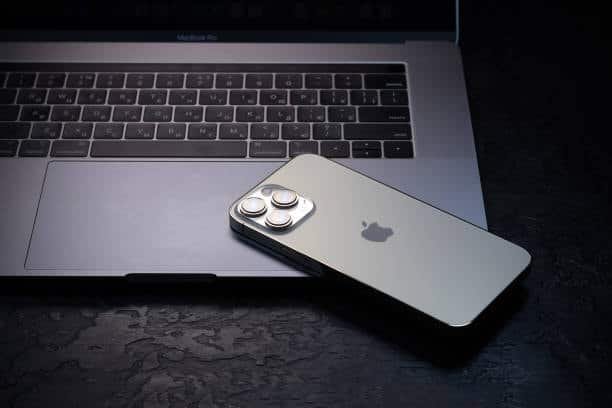
Upon its release the iPhone 15 Pro will use ProMotion technology that activates a 6.1-inch Super Retina XDR OLED display operating at 2556 x 1179 pixels resolution. Apple mastered the adaptive refresh rate technology by achieving better visual results combined with longer battery performance, which ultimately allows users to consume less power. To save power during static screen viewing such as an always-on display lock screen the refresh rate reaches the lowest point of 1Hz. The refresh rate enters 120Hz mode during fast-paced activities because it provides users with fluid performance. The LTPO (Low-Temperature Polycrystalline Oxide) display technology enables precise refresh rate control that enables this adaptability.
How the iPhone 15 Pro Refresh Rate Works in Practice
The iPhone 15 Pro refresh rate function does not run at 120Hz throughout the entire user experience despite what some Android devices promise during their high refresh rate lockups. The iOS system uses automatic refresh rate adjustment, which includes the refresh rate setting that depends on current task requirements. The full 120Hz refresh rate powers up when a user scrolls through web pages or swipes home screens thus resulting in smooth motion that showcases the premium quality of the device. The ProMotion feature allows supported applications to leverage their highest refresh rate for dynamic gameplay scenarios to provide gamers with a performance advantage.
Not all device interactions achieve the maximum refresh rate of 120Hz. Multiple posts on X and tech forums show that iPhone 15 Pro devices lower their refresh rate to 80Hz or slower under certain circumstances while ProMotion remains active. The iPhone 15 Pro operates with this behavior because Apple implemented it as a built-in software update which benefits battery life, allowing for more battery life during usag . User interactions and static content viewing can trigger the refresh rate of the iPhone 15 Pro to decrease below its maximum possible value. Users debate whether the iPhone 15 Pro delivers an entire 120Hz refresh rate experience as expected from its Pro designation because its adaptive refresh rate technique leads to performance optimization discussions.
Comparing the iPhone 15 Pro Refresh Rate to Its Predecessors
A clear understanding of the refresh rate performance on iPhone 15 Pro requires we examine its relationship with earlier iPhone versions. Both the iPhone 13 Pro and iPhone 14 Pro, along with all the new models, utilize ProMotion technology with variable settings ranging from 1Hz to 120Hz yet maintain essentially the same implementation technique as found in iPhone 15 Pro. The iPhone 15 Pro has maintained exactly the same refresh rate features of its display panel as in its predecessor models, unlike non pro models . The LTPO OLED technology alongside 2000 nits peak brightness and always-on display functionality continue from the previous iPhone 14 Pro model.
Software updates determine how refresh rate functionality performs through their role in the iPhone 15 Pro refresh rate implementation. Users anticipated Apple to enhance ProMotion capabilities through iOS 18 during 2024 which might lead to consistent 120Hz performance in the iPhone 15 Pro. This update does not completely eliminate instances of the device supposedly switching to 80Hz when operating in particular app navigation situations or page switching events. Apple places higher importance on battery efficiency compared to keeping the refresh rate at a higher setting which differentiates their approach from certain Android devices.
The iPhone 15 Pro vs. Android Competitors
Smartphone refresh rates in the market expand further than Apple’s products because numerous Android flagship smartphones present alternative choices for comparison. Several smartphones including the Samsung Galaxy S24 Ultra and Google Pixel 9 Pro feature 120Hz displays that some manufacturers exceeded to 144Hz and greater. The iPhone 15 Pro differentiates from various Android handsets because it lacks the functionality to set a fixed maximum refresh rate lock which delivers uniform performance across all types of content. Highly capable users choose this system because they value optimal performance rather than enduring shorter battery life.
Samsung launched their Galaxy S24 Ultra device that blends an LTPO AMOLED display with 120Hz refresh rate technology like the iPhone yet provides users adjustable refresh rate modes. Users of the OnePlus 12 device achieve smooth gameplay because its 120Hz display function maintains uninterrupted fluidity throughout all applications similar to what the iPhone 15 Pro achieves. The core difference lies in Apple’s desire to create an adaptive system that offers convenient power management versus how Android manufacturers focus on giving users control over performance along with performance capabilities.
The duration of battery power stands as the central element for comparison between these phones. Using the Accessibility settings’ “Limit Frame Rate” option to set the iPhone 15 Pro at 60Hz refresh rate prolongs battery duration through Macworld-performed benchmarks which found a 5-6% improvement. Devices running Android OS with set 120Hz refresh rates tend to exhaust battery power more rapidly until performers like the 120Hz system are mitigated via larger battery sizes available in specific Android models. By using an adaptive strategy the iPhone 15 Pro finds equilibrium yet fails to satisfy those who seek complete control.
Real-World Impact on User Experience: This is a key technology that shapes how users interact with their devices.
The iPhone 15 Pro delivers superior user interface smoothness through its refreshed display speed which provides better performance than 60Hz screens on standard iPhone 15 and iPhone 15 Plus models. The ProMotion technology enables better fluidity for users who scroll social media feeds as well as use the iOS interface and watch high-frame-rate videos. Users benefit from low power consumption using the 1Hz minimum refresh rate in the always-on display, which allows them to noticeably save power, that exclusively appears on Pro models.
The 120Hz capability of ProMotion features benefits most prominently for gamers who use their devices. The ProMotion display on iPhone 15 Pro presents reduced motion blur during fast visual movements when playing mobile titles such as Call of Duty: Mobile and Genshin Impact, as well as while watching videos . The adaptive ProMotion system of the iPhone 15 Pro adjusts refresh rates based on developer optimization and iOS management, avoiding power intensive frequencies which result in inconsistent 120Hz delivery to various games and apps. The fluctuating refresh rate performance of this device may be considered a minor annoyance by customers who use competitors’ products.
Some reviewers mention that the iPhone’s performance experiences brief drops to 80Hz or beneath which results in minor stutters mainly when navigating between menus and pages or browsing at a relaxed pace. Users without heightened vision capabilities detect this adjustment to less power intensive frequencies as unreal. However, individuals who have used genuine 120Hz displays might be able to perceive the intermittence. X platform users have showed their dissatisfaction because the iOS 18 system did not resolve all of these performance limits. We can find only polished aspects throughout the system which shows that Apple prefers product refinement over raw specifications.
Battery Life and Refresh Rate Trade-Offs
Battery performance and adaptive refresh rates have a direct connection on the iPhone 15 Pro because smartphones heavily depend on these factors. The 3,274mAh battery encountered in the device provides longer runtime capabilities than its earlier version and Apple guarantees 23 hours of video playback durations. Having a 1Hz mode for static content enables longer battery life, contributing to a battery life increase, yet the device can boost to 120Hz for immediate responsiveness.
Users who want to set a refresh rate at 60Hz can find this option under Settings > Accessibility > Motion > Limit Frame Rate. Users can use this option to deactivate ProMotion completely so the display becomes limited to conventional 60Hz. The battery life enhancement from this adjustment amounts to roughly a 5-6% increase in controlled testing yet it diminishes the fluid Pro performance users expect. Only users who frequently need extended battery life find it advantageous to give up high refresh rates besides very long journeys or extensive gaming periods.
The 60Hz display combined with the 4,383mAh battery in iPhone 15 Plus results in longer battery life than the Pro model because the ProMotion technology consumes more power from the screen updates. The ProMotion technology provides some relief to users yet it demonstrates that Apple uses performance efficiency trade-offs to reach the final implementation.
Developer Support and App Optimization
The performance of iPhone 15 Pro refresh rates depends on third-party developers who support the display technology. Apple enables developer tools through which programmers can optimize their applications for ProMotion by determining precise times to activate the 120Hz speed. Various applications fail to optimize this available performance feature. System-level animations on the iPhone 15 Pro appear smoother than in-app experiences when popular applications such as Instagram and Reddit fail to activate their maximum refresh rate consistently.
The iPhone 15 Pro does not stand alone with its inconsistent performance because this issue has existed ever since ProMotion premiered. iOS system interactions receive perfect optimization from Apple through its strict control policies however developers need to regularly update their third-party applications to achieve optimal performance matches. The introduction of 120Hz support by additional apps will minimize the separation of system-level and application-based animations which will lead to improved user satisfaction, a concern that is fairly common among users .
Addressing the 80Hz Controversy
The iPhone 15 Pro’s refresh rate faces strong scrutiny because it restricts to 80Hz operation in various conditions which was first observed during iPhone 13 Pro release. The iOS software implements this limitation which operates without any hardware deficiencies. During slow scrolling or navigation through specific interfaces the device does not reach its 120Hz refresh rate despite having the capacity to match it, a limitation of its variable refresh rate . Some users express doubts about Apple’s ProMotion technology due to evidence of poor implementation on Reddit and X discussions.
Apple must have battery management as the primary reason behind its choices. During reduced performance requirements the system lowers refresh rates to save battery power while maintaining an acceptable user experience quality. Devices with Android operating systems maintain their refresh rates at higher levels consistently throughout which makes them perform better in this aspect. The functionality affects users differently based on their tech expertise since casual users stay unaware of the issue but advanced users consider it disappointing for a product priced at $999.
Future Expectations for iPhone Refresh Rates
The anticipated release of iPhone 16 Pro during September 2025 might solve various current device criticisms. The speculation suggests Apple will apply its ProMotion technology to standard iPhone devices which would deliver 120Hz acceleration to all models fully adaptive refresh rates
. Future versions of the Pro series should allow users to better manage refresh rate adjustments while developing software to prevent decreases beneath 120Hz. Internet discussion speculates about a future 144Hz capability for Apple smartphones but this forecast remains unsupported by official reports and differs substantially from current Apple product standards.
Rising competitive technology may force Apple to move forward with product development, particularly in increasing efficiency of their ProMotion technology . Apple should refine ProMotion to achieve a better trade-off between power usage and speed performance by studying how competitors deliver customizable refresh rates on their Android products. The iPhone 15 Pro refresh rate stands out as a solid although imperfect function that best suits Apple’s product ecosystem needs apple iphone.
Conclusion
The iPhone 15 Pro stands out through its ProMotion technology-enabled refresh rate which gives its display superior performance compared to other standard iPhone versions and enhances the display material quality . This adaptive refresh rate capability extends between 1Hz and 120Hz to create a fluid response and extended battery performance which follows Apple’s product principles. The temporary stop at 80Hz alongside user-unmanaged settings result in ongoing arguments between users about this performance trade-off more convenient power management. Users receive a refined platform experience when they choose this phone over other Android options because it provides superior overall system smoothness yet does not enable the same flexibility for adjustments. Most users benefit from the refresh rate since it delivers improved daily performance without trade-offs yet advanced users wish for more. Apple proved its ability to unite functionality with user performance within iPhone 15 Pro although its design lacks extensive advancements that users desire.